Jakarta Strengthens Clean Air Efforts Through Low-Emission Zone Initiative
Reported by Aldi Geri Lumban Tobing | Translated by Maria Inggita
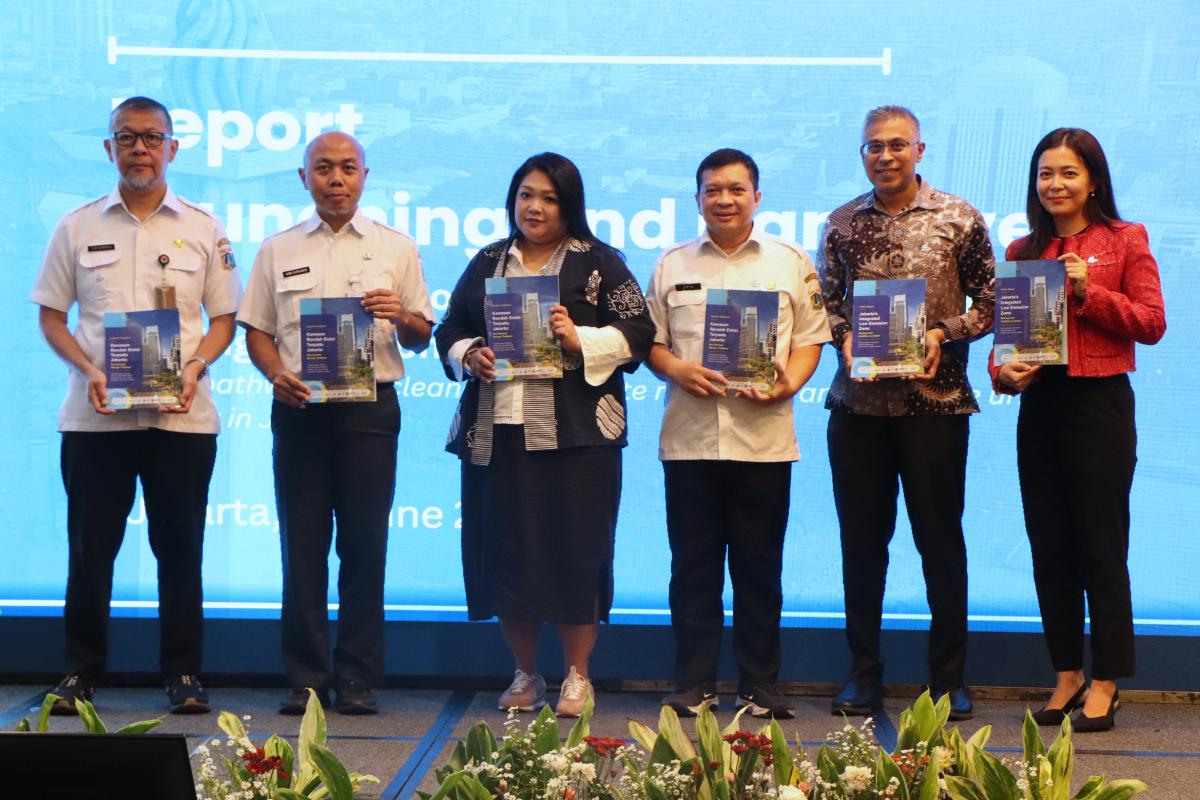
The Jakarta Provincial Government is stepping up concrete efforts to address the city's air quality challenges. In collaboration with Breathe Cities, the administration launched a report titled Integrated Low-Emission Zones for Jakarta: From Ambition to Action, reaffirming its commitment to public health, climate resilience, and sustainable urban development.
Clean air is a fundamental right for every resident
The report serves as an evidence-based policy roadmap outlining the direction, strategies, and implementation stages for Low-Emission Zones in Jakarta. Through this approach, emission reduction efforts extend beyond the transportation sector to address a broader range of pollution sources, including waste management and the circular economy, buildings, energy, industry and manufacturing, as well as land-use planning.
Jakarta Develops Integrated Low-Emission AreasThe report was launched during the plenary session of the Climate Disaster Mitigation and Adaptation Working Group (Pokja MABI), themed From Low-Emission Zones to Climate Resilience: From Ambition to Action, held in Jakarta on June 24, 2026.
The report was formally presented by Breathe Cities to the Jakarta Provincial Government as part of ongoing collaboration to promote cleaner air and a healthier urban environment.
Jakarta Environment Agency Head Dudi Gardesi said clean air is a fundamental right for every resident. He noted that the administration remains committed to developing policies that are not only visionary but also practical, measurable, and capable of delivering tangible benefits to the public.
"Clean air is a fundamental right of every resident and a vital foundation for a healthy and livable city. The Jakarta Provincial Government is committed to turning ambition into concrete action through stronger governance, clear regulations, and cross-sector collaboration so that all residents can enjoy better air quality," he explained.
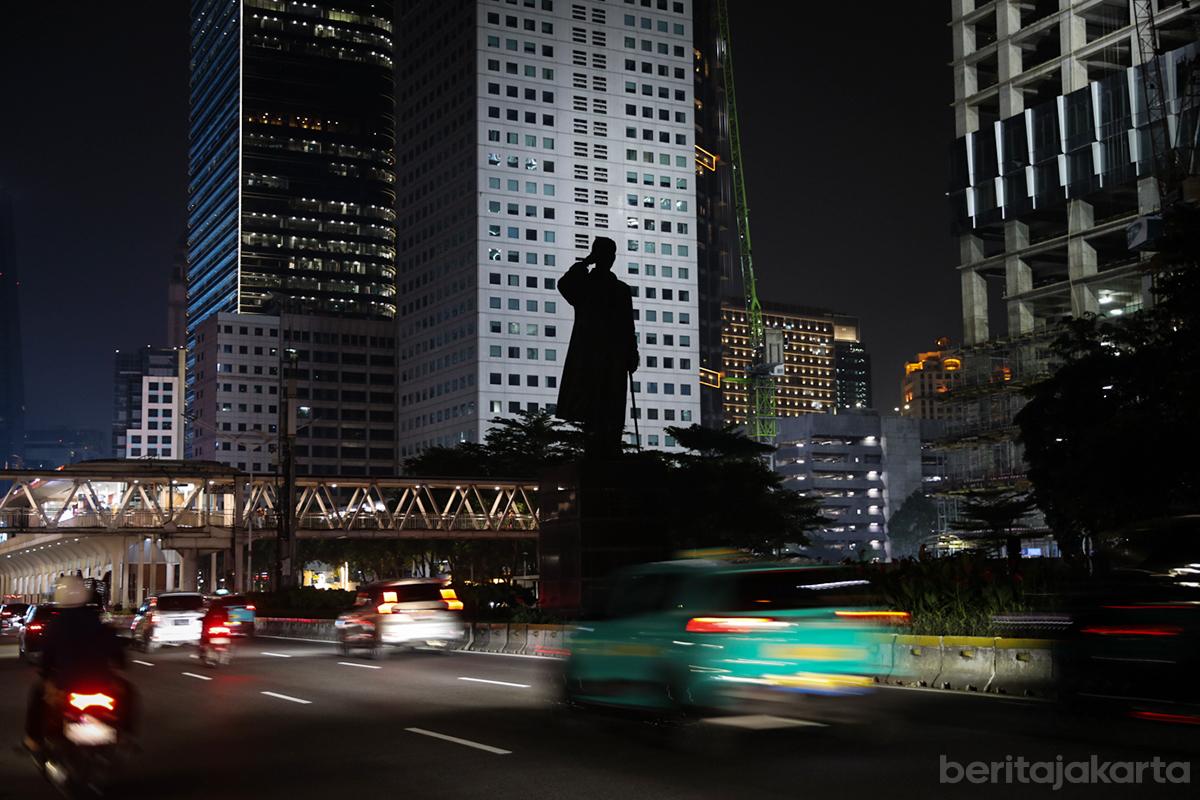
Dudi acknowledged that Jakarta continues to face significant air pollution challenges, particularly from motor vehicle emissions. As a result, the development of Low-Emission Zones has become one of the administration's key strategies to accelerate low-carbon development while strengthening public health protection.
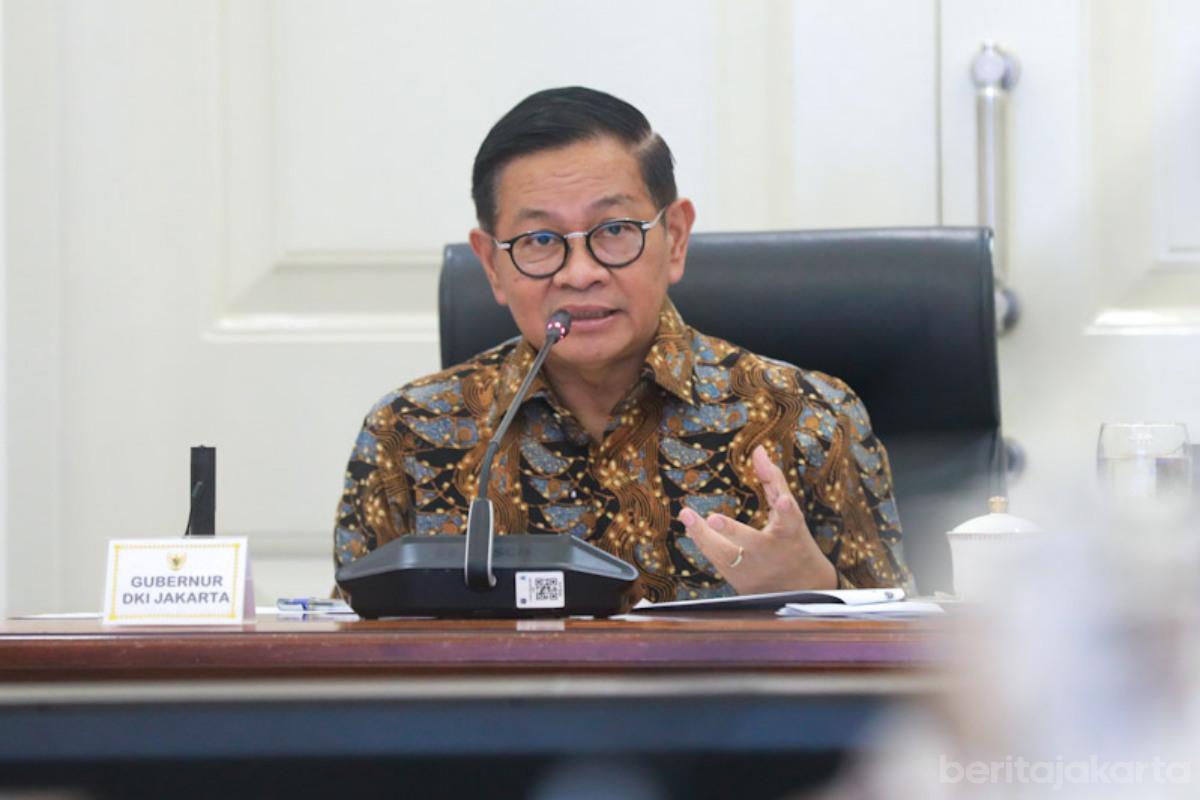
He added that the Jakarta Provincial Government is currently preparing a Governor Regulation on Low-Emission Zones to provide a policy framework that ensures the program is implemented in a more focused, transparent, and accountable manner.
"Low-Emission Zones are a cross-sector issue that requires strong collaboration among regional agencies and support from various stakeholders, including communities, academics, businesses, and the media. Through such cooperation, we can accelerate efforts to deliver cleaner and healthier air for all Jakarta residents," he said.
Dudi noted that the report marks an important milestone in translating research findings, international collaboration, and public aspirations into more concrete policy actions.
"Through Low-Emission Zones, the Jakarta Provincial Government aims to build a long-term foundation for cleaner air, healthier communities, and a city that is more resilient to climate challenges," he emphasized.
Meanwhile, Vivian Pun, Regional Technical Head of Breathe Cities Southeast Asia, praised Jakarta's commitment to developing Low-Emission Zones.
According to Vivian, clean air policies must be both ambitious and equitable so that their benefits can be enjoyed by all residents, especially communities most affected by poor air quality.
She said Breathe Cities is proud to support Jakarta's efforts to develop Low-Emission Zones that place public health and well-being at the center of policymaking.
"This report demonstrates that clean air policies can be both ambitious and equitable, reducing pollution while ensuring that all residents—particularly those most affected by poor air quality—can enjoy a cleaner, healthier, and more accessible urban environment," Vivian said.
To ensure the program's sustainability, the report recommends a cross-sector shared leadership model involving multiple regional agencies, including the Environment Agency and the Transportation Agency. It also proposes institutional support through the establishment of a Low-Emission Zone Task Force operating under the authority of the Governor.
In addition, the report highlights the importance of a Monitoring, Evaluation, and Reporting framework from the outset. Such a system would enable regular tracking of program progress, objective measurement of outcomes, and continuous refinement of policy decisions based on data.